By Aleki Ayon
October 22, 2026
In recent years, artificial turf has gained significant popularity as an alternative to natural grass for both residential and commercial properties. People are increasingly drawn to its practicality and aesthetic appeal, opting for a greener look without the constant upkeep. This article explores the top benefits of installing low-maintenance artificial turf, addressing various aspects that contribute to its growing appeal. With advancements in manufacturing technology, artificial turf now offers a realistic appearance coupled with numerous economic and environmental advantages. Discover how this innovative solution stands as a sustainable option for modern landscaping needs.
Cost-Effectiveness
Initial Investment vs. Long-Term Savings
The initial cost of installing artificial turf might seem high when compared to natural grass. However, over time, homeowners and businesses alike often discover significant savings on maintenance and water usage. Artificial turf requires minimal upkeep—no mowing, aeration, or overseeding—leading to substantial savings over time. By reducing these recurring expenses, property owners can offset the initial installation costs, making it a prudent long-term financial decision. According to Research Nester, artificial turf can last up to 15 years with minimal maintenance, enhancing its cost-effectiveness even further.
When calculating the return on investment (ROI), it is essential to consider the long-term financial benefits of artificial turf. Traditional lawns can become a financial burden due to their upkeep demands. Over a typical lifespan of artificial turf, property owners can save thousands of dollars in water bills and avoid expenses related to lawn care equipment, fertilizers, and other maintenance needs. In comparison, the reduced need for continuous resources makes artificial turf an economically sound alternative. The ROI extends beyond personal savings by also potentially increasing property value due to its aesthetic appeal and durability.
A significant contributor to the cost-effectiveness of artificial turf is the drastic reduction in water consumption. Traditional grass lawns require constant watering, especially in hotter climates or during dry seasons. With artificial turf, property owners can expect a substantial decrease in water usage, translating to noticeably lower utility bills. This not only supports sustainable practices but also builds an economic buffer for households that can be allocated elsewhere. The water conservation aspect is a major factor driving the popularity of artificial turf in regions facing water scarcity issues.
Environmental Benefits
Water Conservation
Artificial turf offers remarkable water conservation benefits, making it an environmentally friendly choice amid growing ecological concerns. Natural grass lawns demand substantial water input, which can be taxing on local water resources, especially in areas prone to droughts. By switching to artificial turf, communities can significantly reduce their water footprint. A decrease in water use not only helps in conserving this valuable resource but also supports local water management strategies. This shift is particularly beneficial in urban areas where water conservation is increasingly critical.
The ecological impact of artificial turf is underscored by its ability to reduce the reliance on chemical lawn treatments. Traditional lawns often require fertilizers, pesticides, and herbicides to maintain their health and appearance. These chemicals can leach into waterways, causing environmental harm. In contrast, artificial turf requires none of these chemicals, supporting cleaner landscapes and healthier ecosystems. This reduction in chemical usage promotes not just environmental health but also human health, decreasing exposure to potentially harmful substances.
Contributing to a lower carbon footprint is another environmental benefit of artificial turf. Lawnmowers and other garden equipment typically emit significant amounts of carbon dioxide and other pollutants. By eliminating the need for regular lawn maintenance powered by fossil fuels, artificial turf reduces greenhouse gas emissions. Additionally, because artificial turf does not produce clippings and other yard waste, it helps decrease the burden on waste management systems. Overall, artificial turf acts as a step towards more eco-friendly landscaping solutions by minimizing waste and emissions.
Time-Saving
Elimination of Routine Lawn Care
One of the most advantageous aspects of artificial turf is the significant amount of time saved from routine lawn care. Maintaining a natural lawn involves considerable time commitment for tasks like mowing, seeding, and watering. Homeowners with artificial turf can redirect this time to other pursuits, enjoying a maintenance-free landscape. This time-saving feature appeals particularly to busy homeowners and businesses seeking attractive, hassle-free outdoor spaces. The convenience of synthetic turf enhances lifestyle quality by freeing up time for leisure and relaxation.
Another indisputable benefit of artificial turf is its year-round usability without worrying about seasonal impacts. Unlike natural grass that might become muddy or bare in adverse weather, artificial turf stays resilient regardless of the season. From scorching summer heat to torrential downpours, artificial turf maintains its vibrant appearance and functionality. This consistency supports its reputation as a robust and reliable landscaping option, always ready for immediate use. As a result, homeowners can host outdoor events or enjoy time in their gardens without concern for weather conditions.
The low maintenance requirements of artificial turf significantly contribute to its allure. Once installed, the only real maintenance involves occasional rinsing to remove dust and debris and brushing to maintain turf integrity. This contrasts sharply with the constant upkeep demands of traditional lawns. The minimal effort needed to maintain its condition means property owners experience an unmatched level of convenience and satisfaction. This ease of maintenance is particularly appealing in regions with challenging weather conditions or in densely populated areas with limited time and resources for lawn care.
Aesthetics and Customization
Consistent Visual Appeal
The allure of artificial turf lies in its consistent visual appeal, maintaining a lush and green appearance throughout the year. Unlike natural grass, which can suffer from patches, discoloration, or wear, artificial turf offers uniform beauty irrespective of climate conditions. The durability of synthetic lawns ensures that they remain aesthetically pleasing, providing year-round enjoyment. This is particularly beneficial for commercial properties where visual impact is essential. The perpetual greenness of artificial turf adds to the overall aesthetics, embodying a pristine, well-manicured look year-round.
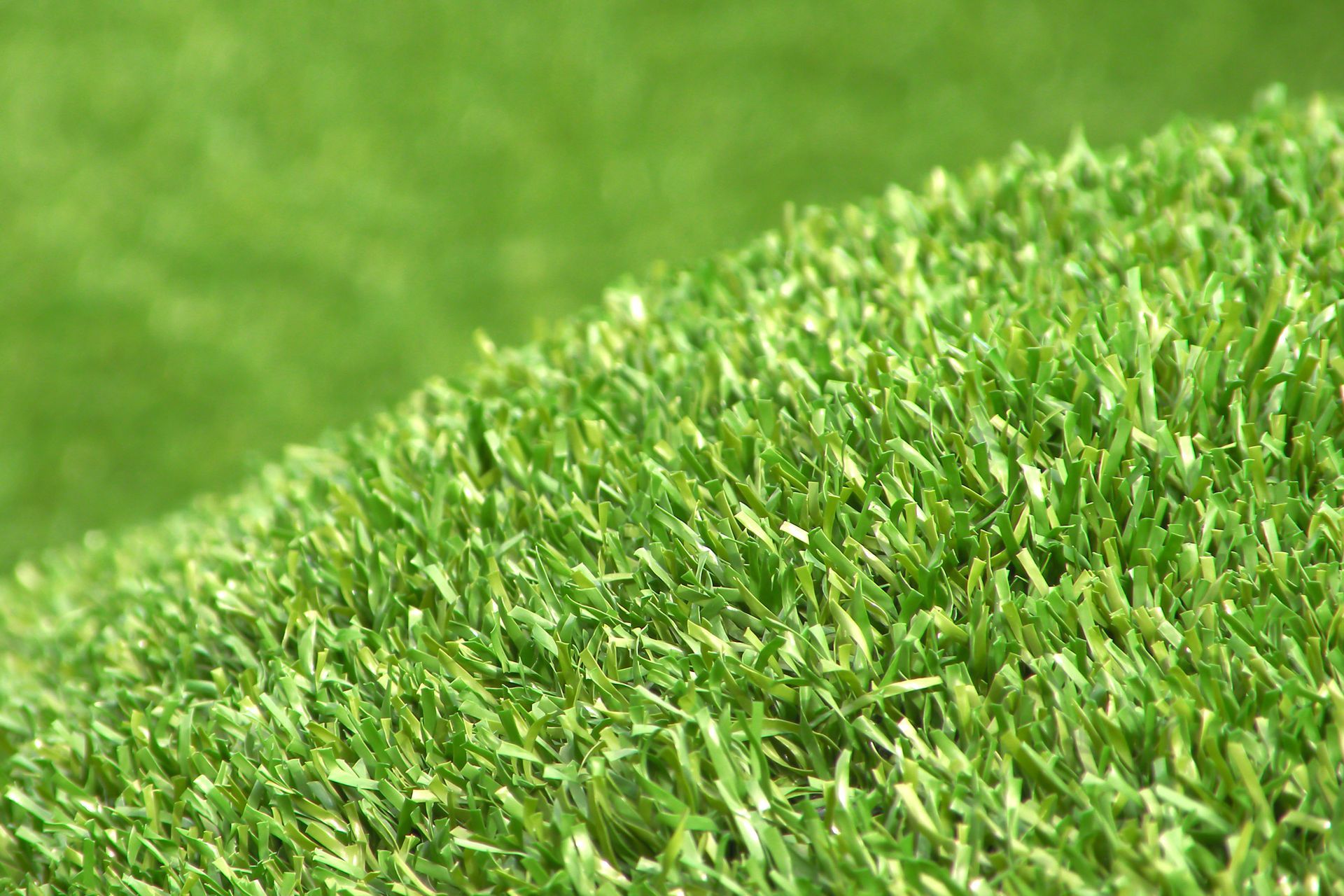
Customization opportunities also significantly enhance the value of artificial turf. Available in a variety of styles, fibers, and colors, it allows personalization to fit specific aesthetic preferences or landscaping designs. Property owners can select turf that resembles natural grass or opt for specialized varieties to create unique landscaping themes. These choices cater to varying tastes and landscapes, offering flexibility that natural grass cannot. The adaptability in style and appearance contributes to artificial turf’s growing popularity across diverse settings.
Health and Safety
Non-Toxic Materials
Artificial turf has evolved to incorporate non-toxic materials, making it a safe choice for families and pets. The materials used in manufacturing are often tested for harmful substances, ensuring they are safe for direct contact. Unlike natural grass, there is no need for chemical fertilizers or pesticides, reducing health risks from chemical exposure. This makes synthetic lawns particularly attractive for families with children or pets, providing a worry-free outdoor environment. The evolution towards safer materials further underscores artificial turf’s standing as a modern and thoughtful landscaping choice.
Allergen reduction is another significant health advantage of artificial turf. Many people suffer from grass pollen allergies, which can be exacerbated during peak growing seasons. With synthetic lawns, the triggers for these allergies are minimized, providing a more comfortable and allergen-free outdoor space. People sensitive to grass pollen can enjoy their gardens without fear of allergy flare-ups. By reducing allergens in the environment, artificial turf not only creates a comfortable space but also contributes to a healthier overall living experience. Reach out to A&A Landscape and Maintenance of TX LLC today to see how we can help you!